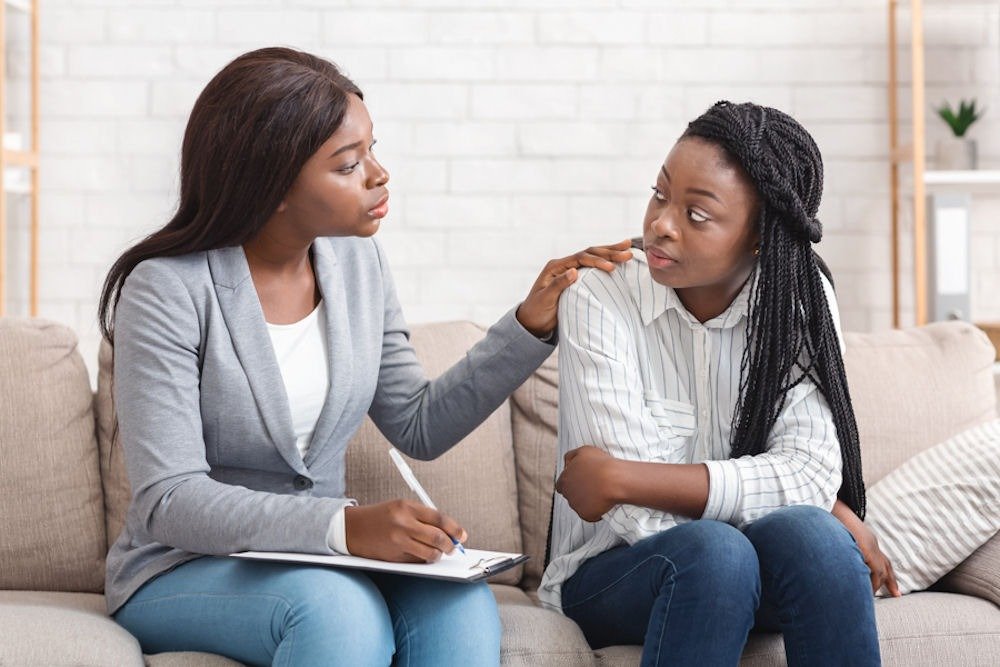
As someone who has completed a substance abuse treatment program, you may be wondering what comes next. While the recovery process can be challenging, the good news is that there are plenty of resources available to help you maintain your sobriety and lead a healthy, fulfilling life. One such resource is aftercare.
What is aftercare? Aftercare refers to the ongoing support and treatment that people receive after completing a primary substance abuse treatment program, such as inpatient or outpatient rehab. Aftercare programs can take many forms, including sober living, outpatient therapy, 12-step meetings, and more.
At Golden Gate Recovery, we believe that aftercare is a crucial component of the recovery process. We offer a range of aftercare services to help our clients maintain their sobriety and transition back into their everyday lives. These services include:
Aftercare is a critical part of the recovery process for anyone who has completed a substance abuse treatment program. It provides ongoing support and resources to help people maintain their sobriety and build a fulfilling life in recovery. Here are some reasons why aftercare is so important:
At Golden Gate Recovery, we understand the importance of aftercare in the recovery process. That’s why we offer a range of aftercare services to help our clients maintain their sobriety and build a fulfilling life in recovery. Whether you need ongoing therapy, support groups, or a safe and supportive living environment, we’re here to help. Contact us today at 415-390-3003 to learn more about our aftercare programs and start your journey to lasting recovery.
Get confidential help! Call Us Now for:

Dr. Araz Tawfique is a board-certified adult psychiatrist based in La Jolla, California, with over ten years of experience treating individuals with diverse needs. Trained in both psychopharmacology and psychotherapy, he draws on psychotherapeutic and psychoanalytic techniques to help patients better understand their thoughts, feelings, and motivations, with a focus on how biology, psychology, and social factors shape individuals and their relationships.