

At Golden Gate Recovery in Novato, California, located in Marin County, we specialize in helping men overcome addiction through evidence-based treatment programs that address both biological and social factors. We’ve seen firsthand how men experience addiction differently from women, and understanding these differences is crucial for effective recovery.
The biology of addiction in men involves unique brain chemistry, hormonal influences, and physical responses that shape how substances affect the male body. These biological factors combine with social pressures and expectations to create distinct patterns in how men develop, experience, and recover from addiction.
The brain’s reward system is a network of brain regions that motivates us to repeat behaviors that help us survive and thrive. When we do something beneficial, like eating when hungry or connecting with others, our brain releases chemicals that make us feel good, encouraging us to repeat these actions.
Drugs and alcohol hijack this natural system. When someone uses substances, their brain releases much more dopamine (the main “feel-good” chemical) than natural activities would. This flood of dopamine creates intense pleasure that the brain remembers and wants to experience again.
Three key brain areas play important roles in addiction:
Over time, repeated substance use changes how these brain regions function. The brain adapts by becoming less sensitive to dopamine, making it harder to feel pleasure from everyday activities. This leads to needing more of the substance to feel good and experiencing strong cravings when not using.
According to the National Institute on Drug Abuse (NIDA), these brain changes can persist long after someone stops using substances, explaining why addiction is considered a chronic brain disease rather than simply a lack of willpower.

When men use substances regularly, their bodies develop tolerance—meaning they need more of the substance to get the same effect. This happens because the body adapts to the presence of the drug. Men often develop tolerance faster than women due to several biological differences:
When men stop using substances after developing dependence, they experience withdrawal, the body’s reaction to the sudden absence of a substance it has adapted. Male withdrawal often features more intense physical symptoms like sweating, shaking, and headaches compared to female withdrawal patterns.
Traditional male socialization often emphasizes being strong, self-reliant, and emotionally controlled. These expectations can make it difficult for men to acknowledge personal struggles or ask for help, behaviors that are crucial for addressing addiction early.
Instead of seeking support, men might use substances to:
The male stress response system interacts with these social pressures in important ways. When men experience stress but don’t have healthy outlets for expressing it, their bodies may produce higher levels of stress hormones for longer periods. This biological response can increase vulnerability to substances that temporarily relieve stress.
Many industries with predominantly male workforces involve high stress, physical demands, and exposure to trauma or danger. Construction, military service, law enforcement, and firefighting are examples of occupations with elevated rates of substance use disorders. These work environments create multiple risk factors:
According to the Centers for Disease Control and Prevention (CDC), men in construction had the highest rates of substance use among all industries in 2021, with nearly 15% reporting illicit drug use in the previous month.
The combination of physically demanding work, injury risk, and workplace culture creates a perfect storm of biological vulnerability and social permission for substance use that can easily develop into addiction.
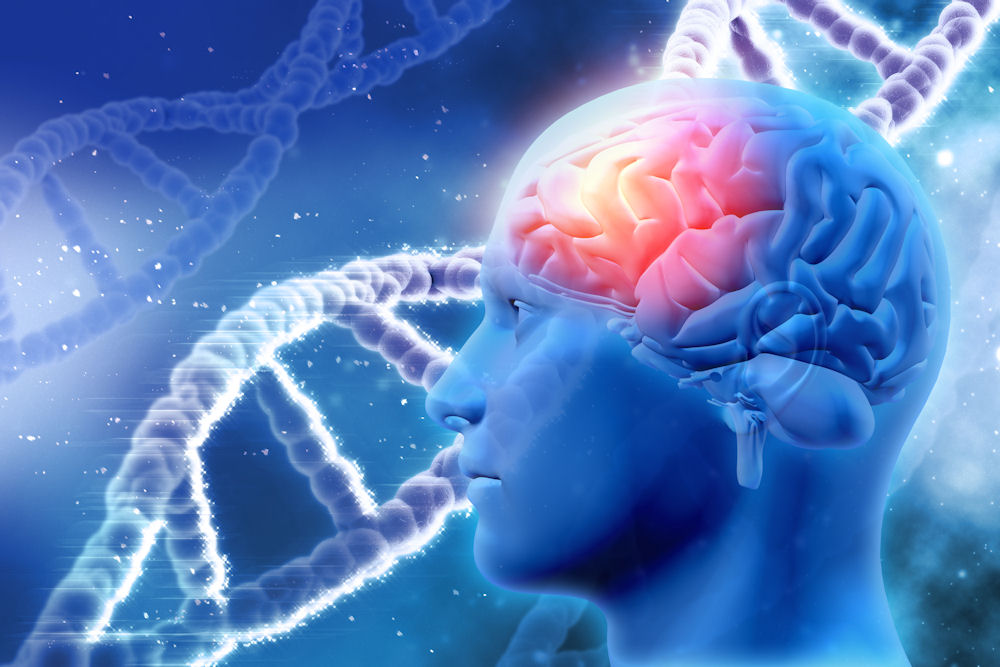
Testosterone, the primary male sex hormone, significantly influences how men respond to substances. This hormone affects brain development and function in ways that can increase addiction vulnerability:
These hormone-substance interactions help explain why men often report more intense initial experiences with drugs and alcohol, potentially accelerating the path to addiction.
Dopamine is the primary chemical messenger of the brain’s reward system. Research shows that men’s brains often release more dopamine in response to substances compared to natural rewards like food or social connection. This difference in dopamine signaling creates several effects:
As addiction progresses, the brain’s dopamine system becomes increasingly dysregulated. Natural rewards no longer produce sufficient dopamine to feel satisfying, while substance use continues to activate the reward pathway despite causing harm. This explains why people with addiction often continue using substances even when they want to stop.
Recovery involves gradually restoring the brain’s normal dopamine function—a process that takes time and often requires both medical and psychological support.
Men often face specific relapse triggers that interact with their brain chemistry in predictable ways. Understanding these patterns can help in developing effective prevention strategies. Common relapse triggers for men include:
These triggers produce neurological responses that can make resisting substances extremely difficult without proper support and coping strategies. Warning signs that the brain may be becoming more vulnerable to relapse include:
Research increasingly shows that men benefit from treatment approaches that address their specific biological and social experiences with addiction. According to studies published in the Journal of Addiction Medicine, treatment programs that incorporate male-specific components show significantly better outcomes. Effective elements of male-focused treatment include:
SAMHSA reports that gender-specific programs have up to 25% higher success rates for men compared to mixed-gender programs that don’t address these unique factors.
At Golden Gate Recovery, we incorporate these evidence-based approaches into individualized treatment plans that address both the biological and social dimensions of addiction in men.
Understanding the biology of addiction in men provides valuable insights for both prevention and treatment. The unique ways that male brains and bodies respond to substances, influenced by hormones, brain chemistry, metabolism, and social factors, create specific patterns that require targeted approaches.
When men understand how their biology influences their experience with substances, they can:
This knowledge also helps families and loved ones understand that addiction isn’t simply a choice or moral failing but a complex brain disorder with biological roots that respond to proper treatment.
At Golden Gate Recovery in Marin County, CA, we use this biological understanding to create comprehensive treatment plans that address the whole person. Our programs combine medical care, psychological support, and social connection to help men recover from addiction and build healthier lives.

At Golden Gate Recovery, we understand the unique biological and social factors that shape men’s experiences with addiction. Our evidence-based treatment programs are specifically designed to address these male-specific challenges, providing comprehensive support that works with your biology, not against it.
Our team combines medical expertise, psychological support, and peer connection to help men overcome addiction and build healthier lives. Contact us today to learn more about our specialized programs or to verify your insurance coverage for treatment.

Golden Gate Recovery is a grass roots organization created by men in long term recovery with a simple mission: to continue strengthening our therapeutic and peer led community toward the goal of long term recovery for each client.