Suboxone Side Effects: What to Know and When to Seek Help
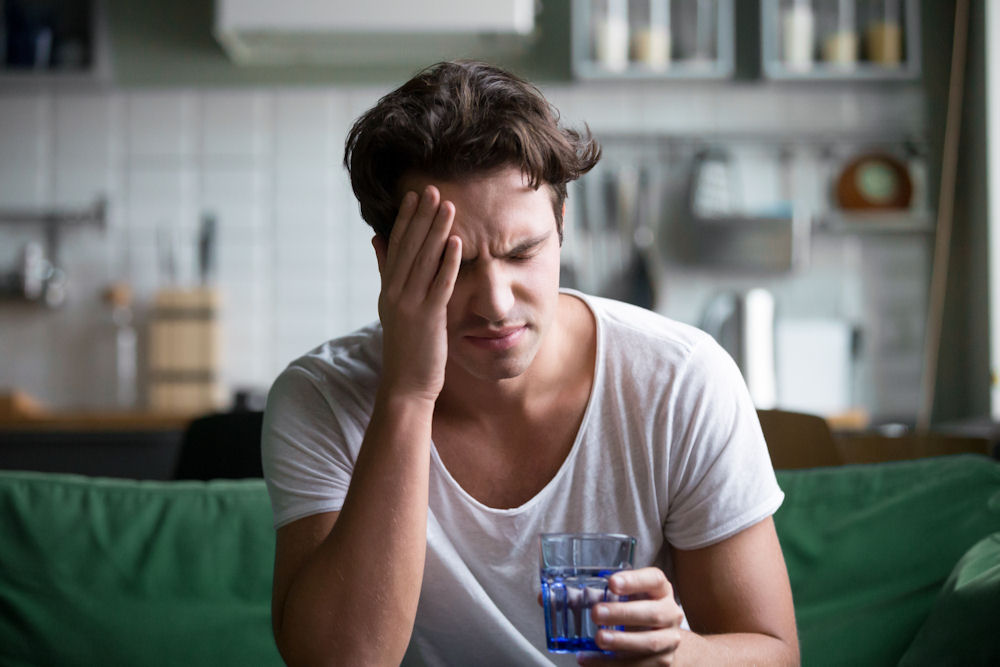
Suboxone commonly causes nausea, headaches, constipation, sweating, dizziness, and fatigue. These side effects are generally mild, particularly as the body adjusts to treatment. More serious reactions, including respiratory depression, severe allergic reactions, and liver problems, are less common but require medical attention when they occur.
Suboxone is an FDA-approved medication used to treat opioid use disorder (OUD). It combines buprenorphine and naloxone to reduce cravings and withdrawal symptoms. Understanding Suboxone side effects can help people make informed decisions about medication treatment for OUD and recognize when they should contact a healthcare provider.
For men navigating opioid recovery in Novato, California located in Marin County, Golden Gate Recovery offers structured, abstinence-based programs and evidence-based therapies to support ongoing recovery.
Most Suboxone Side Effects Are Mild, While Serious Reactions Are Uncommon
Most Suboxone side effects are manageable and may improve as the body adjusts to the medication. Serious reactions are possible but uncommon when Suboxone is taken as prescribed and monitored by a healthcare provider.
What Are Common Suboxone Side Effects?
According to the FDA prescribing information for buprenorphine/naloxone, commonly reported side effects include:
Nausea and vomiting
Headache
Constipation
Sweating
Dry mouth
Dizziness
Fatigue
These effects may be more noticeable when treatment begins or after a dosage change. Anyone experiencing persistent or bothersome side effects should discuss them with their prescribing provider rather than changing or stopping the medication independently.
What Serious or Long-Term Side Effects Can Occur?
Serious Suboxone side effects can include respiratory depression, liver problems, severe allergic reactions, and significant sedation. The risk of serious sedation and respiratory depression can increase when buprenorphine is combined with alcohol, benzodiazepines, or other central nervous system depressants.
Long-term treatment may also be associated with issues such as constipation, sleep changes, or hormonal effects in some people. Regular follow-up with a prescribing provider allows potential side effects to be monitored and addressed.
How Does Suboxone Work in the Brain?
Suboxone works by acting on the same opioid receptors in the brain that are affected by drugs such as heroin and prescription opioids. Buprenorphine is a partial opioid agonist, meaning it activates opioid receptors but produces a more limited effect than full opioid agonists.
This action can reduce opioid cravings and withdrawal symptoms while helping people remain engaged in treatment.
What Is Suboxone?
Suboxone is a combination medication containing buprenorphine and naloxone. Buprenorphine is responsible for the medication’s therapeutic effects on opioid withdrawal and cravings.
Naloxone is included primarily to discourage misuse by injection. When Suboxone is used as directed, the medication can be an effective component of treatment for opioid use disorder.
According to SAMHSA, buprenorphine is one of three FDA-approved medications for treating OUD, along with methadone and naltrexone. Medication treatment can be combined with counseling and behavioral therapies as part of a comprehensive treatment plan.
What Physical, Sleep, and Mood Side Effects Should Someone Watch For?
In addition to common side effects, some people may experience changes in physical functioning, sleep, or mood while taking Suboxone. Tracking these changes and discussing persistent symptoms with a healthcare provider can help determine whether they are related to medication, an underlying condition, or another factor.
What Physical Symptoms Should Someone Monitor?
Physical symptoms worth discussing with a healthcare provider include persistent constipation, unusual sweating, ongoing dizziness, and other symptoms that interfere with daily activities.
Signs of a potential liver problem can include yellowing of the skin or eyes, dark urine, light-colored stools, unusual tiredness, loss of appetite, nausea, or upper abdominal pain. People with liver conditions may require additional monitoring while taking buprenorphine.
Anyone experiencing difficulty breathing, severe sedation, loss of consciousness, or a severe allergic reaction should seek emergency medical attention.
What Sleep and Mood Changes Are Possible?
Some people taking Suboxone may experience sleep-related effects such as insomnia, drowsiness, or changes in their normal sleep pattern. These symptoms may be more noticeable when treatment begins or after a dosage change.
Mood changes can also occur. Anxiety, irritability, or other changes in mood should be discussed with a healthcare provider, particularly when symptoms are persistent or interfere with daily functioning.
Because mental health conditions commonly occur alongside opioid use disorder, changes in mood during treatment may have multiple possible causes. A healthcare provider can help determine whether symptoms may be related to medication, an underlying mental health condition, or another factor.
How Can Suboxone Side Effects Impact Daily Life and Recovery?
Side effects that are not properly addressed can affect quality of life and make it more difficult to remain engaged in treatment. Fatigue, sleep problems, nausea, constipation, or mood changes may interfere with work, relationships, and other daily responsibilities.
Regular appointments with a prescribing provider allow treatment to be monitored and adjusted when appropriate. People should not reduce their dose, skip doses, or stop taking Suboxone without first discussing the decision with their healthcare provider.
How Are Suboxone Side Effects Managed Safely?
Managing Suboxone side effects begins with taking the medication exactly as prescribed. Healthcare providers can adjust treatment based on a person’s response, side effects, withdrawal symptoms, and cravings.
Practical steps that may help include:
Staying adequately hydrated, particularly when experiencing constipation or dry mouth
Eating regularly if nausea occurs
Discussing persistent sleep or mood changes with the prescribing provider
Providing the healthcare team with a complete list of medications and substances being used
Avoiding alcohol and discussing benzodiazepine use with the prescribing provider
Attending scheduled follow-up appointments
Following recommended monitoring, including liver-related monitoring when clinically appropriate
Medication treatment can also be combined with behavioral therapies and counseling. According to NIDA, medications for OUD are an important component of evidence-based treatment and can be used alongside behavioral health services when appropriate.
How Does Golden Gate Recovery Support Men Navigating Opioid Recovery in Marin County?
Golden Gate Recovery is a men’s addiction and mental health treatment center in Marin County, California. The center is licensed by the California Department of Health Care Services (DHCS) and verified through LegitScript.
Golden Gate Recovery serves adult men experiencing substance use and co-occurring mental health conditions. Its programs are abstinence-based and do not include medication-assisted treatment (MAT).
Available levels of care include partial hospitalization programming (PHP), intensive outpatient programming (IOP), and outpatient treatment, along with sober living and aftercare support. Therapies may include CBT, DBT, psychodynamic therapy, mindfulness-based therapy, and experiential therapy.
For men who have completed medically supervised detox or discontinued MAT under appropriate medical supervision, Golden Gate Recovery provides structured programming to support continued recovery.
More information about available treatment programs is available on the center’s website.
Suboxone Side Effects FAQs
How Long Do Suboxone Side Effects Last?
Common side effects such as nausea, headache, and dizziness may improve as the body adjusts to Suboxone. Some effects, including constipation or sleep changes, may last longer. Persistent or bothersome symptoms should be discussed with a prescribing healthcare provider.
Can You Get Withdrawal Symptoms From Stopping Suboxone?
Yes. Because buprenorphine is an opioid medication, stopping Suboxone suddenly can cause withdrawal symptoms. These may include muscle aches, nausea, anxiety, insomnia, sweating, and cravings.
People should not stop Suboxone abruptly without medical guidance. A healthcare provider can determine whether a gradual dose reduction is appropriate and develop a plan based on the individual's treatment needs.
Is It Safe to Take Suboxone With Benzodiazepines or Alcohol?
Combining Suboxone with alcohol, benzodiazepines, or other central nervous system depressants can increase the risk of serious sedation and respiratory depression. People taking these substances should tell their prescribing provider so potential risks can be evaluated and treatment can be monitored appropriately.
What Is the Risk of Dependence on Suboxone?
Physical dependence on buprenorphine can develop with regular use. This means the body may experience withdrawal symptoms if the medication is stopped suddenly.
Physical dependence is different from addiction. Buprenorphine is an FDA-approved medication for opioid use disorder, and dependence on a prescribed medication does not mean that treatment has failed.
Do Insurance Plans Like Aetna or Cigna Cover Treatment at Golden Gate Recovery?
Golden Gate Recovery accepts Aetna, Cigna, Optum, Anthem Blue Cross, and Magellan Health. Coverage varies by individual insurance plan and benefits. The admissions team can help verify specific coverage before treatment begins.
Begin Treatment at Golden Gate Recovery
Golden Gate Recovery in Novato, CA, accepts insurance from Aetna, Cigna, Optum, Anthem Blue Cross, and Magellan Health. The admissions team can help verify coverage and discuss available treatment options before care begins.
Men who are ready to move forward from opioid dependence and into structured recovery can contact us to learn about available treatment options and to verify your insurance.
Fentanyl Withdrawal: Symptoms, Risks, and Safe Treatment
Fentanyl withdrawal can be one of the most difficult parts of recovering from opioid addiction. As fentanyl continues to play a major role in overdose deaths across California and the United States, many individuals and families are looking for answers about what happens when someone stops using this highly potent opioid. Understanding the symptoms, risks, and treatment options associated with fentanyl withdrawal is an important step toward seeking help and starting recovery.
Because fentanyl is significantly stronger than many other opioids, physical dependence can develop rapidly. With continued use, the brain and body become accustomed to the drug’s presence. When fentanyl use stops, the body must adjust to functioning without it, triggering a range of withdrawal symptoms that can be both physically painful and emotionally distressing. Without proper support, these symptoms can make it extremely difficult to stop using opioids on one’s own.
For adult men struggling with fentanyl addiction, detoxing without medical supervision can pose serious risks. Intense cravings, severe discomfort, and emotional distress often increase the likelihood of relapse. Even after a short period without fentanyl, tolerance begins to decrease, meaning a return to previous levels of use can significantly increase the risk of overdose.
Located in Novato, California, in Marin County, Golden Gate Recovery offers evidence-based treatment programs designed specifically for men facing fentanyl addiction. Through individualized care, clinical support, and comprehensive treatment planning, men can safely manage withdrawal symptoms, address the underlying causes of addiction, and build a strong foundation for long-term recovery.
What Is Fentanyl?
Fentanyl is a synthetic opioid originally developed for the treatment of severe pain. It is commonly prescribed in hospital settings for patients recovering from surgery, experiencing major injuries, or managing advanced cancer pain. While pharmaceutical fentanyl serves an important medical purpose, its potency also makes it one of the most dangerous opioids available.
According to the Centers for Disease Control and Prevention (CDC), fentanyl is approximately 50 to 100 times more potent than morphine. Even a tiny amount can produce powerful effects on the brain and body. This potency significantly increases the risk of overdose, especially when fentanyl is obtained from illicit sources.
The rise of illicitly manufactured fentanyl has transformed the overdose crisis in the United States. Unlike prescription fentanyl, illegally produced fentanyl is often manufactured without quality controls, resulting in inconsistent potency and contamination. Users frequently have no way of knowing how much fentanyl they are consuming, making every use potentially life-threatening.
How Fentanyl Affects the Brain and Body
Fentanyl works by attaching to opioid receptors located throughout the brain and nervous system. These receptors help regulate pain, emotions, breathing, and reward. When fentanyl binds to these receptors, it produces intense feelings of euphoria, relaxation, and pain relief.
The brain quickly adapts to these effects. Over time, natural dopamine production becomes disrupted, and the body begins relying on fentanyl to maintain emotional and physical stability. As tolerance develops, individuals often need larger or more frequent doses to achieve the same effects.
This process contributes directly to dependence. Once dependence develops, the body struggles to function normally without the drug. When fentanyl use stops, withdrawal symptoms emerge as the brain attempts to restore its natural balance.
Because fentanyl has a relatively short duration of action, withdrawal symptoms often begin sooner than they do with many other opioids. This rapid onset can make the experience particularly difficult and increase the likelihood of continued use simply to avoid becoming sick.
Prescription Fentanyl vs. Illicit Fentanyl
Prescription fentanyl is produced under strict medical standards and is typically available in forms such as patches, lozenges, injections, and nasal sprays. Healthcare providers carefully monitor dosage and usage to minimize risks.
Illicit fentanyl is a different story. It is often manufactured in unregulated facilities and distributed through illegal drug markets. Potency can vary dramatically from batch to batch, creating significant overdose risks.
According to the CDC, illicitly manufactured fentanyl is now the primary driver of overdose deaths nationwide. California has been particularly affected. State health officials reported that fentanyl contributed to more than 6,800 overdose deaths in 2022, and the impact has remained severe in recent years.
The widespread availability of illicit fentanyl has made the drug supply more dangerous than ever before, even for individuals who do not intentionally seek out opioids.
Fentanyl Contamination and Polysubstance Use Risks
One of the most alarming aspects of the current overdose crisis is fentanyl contamination. Drug suppliers frequently mix fentanyl into other substances to increase potency or reduce production costs. Many individuals are exposed to fentanyl without realizing it.
Fentanyl has been found in:
Cocaine
Methamphetamine
Heroin
Counterfeit oxycodone pills
Counterfeit Xanax tablets
Counterfeit Adderall pills
Other counterfeit prescription medications
The Drug Enforcement Administration (DEA) reported that six out of ten counterfeit pills analyzed in 2023 contained a potentially lethal dose of fentanyl. This means someone may believe they are taking a prescription medication while unknowingly consuming a deadly amount of a synthetic opioid.
Polysubstance use involving fentanyl is also increasing throughout California. Combining fentanyl with stimulants, alcohol, benzodiazepines, or other substances creates unpredictable effects and significantly increases overdose risk.
Naloxone, commonly known by the brand name Narcan, can reverse opioid overdoses. Knowing the symptoms of a fentanyl overdose helps you recognize when to use it. However, because fentanyl is so potent, multiple doses may sometimes be required to restore breathing and prevent death.
Understanding Fentanyl Withdrawal
Fentanyl withdrawal occurs when a person who has developed dependence significantly reduces or stops using the drug. The symptoms are not usually life-threatening on their own, but they can be extremely distressing and difficult to tolerate.
Withdrawal happens because the brain has adjusted to the constant presence of fentanyl. Once the drug is removed, the body experiences a period of instability as it works to restore normal functioning.
Many individuals describe fentanyl withdrawal as similar to having the worst flu imaginable combined with severe anxiety, depression, insomnia, and intense cravings. Without proper support, these symptoms often drive people back to substance use.
Early Fentanyl Withdrawal Symptoms
Withdrawal symptoms can begin within six to twelve hours after the last dose.
Common early symptoms include:
Anxiety
Restlessness
Muscle aches
Excessive sweating
Chills
Runny nose
Watery eyes
Yawning
Insomnia
Irritability
These symptoms may initially seem manageable, but they often intensify rapidly as withdrawal progresses.
Peak Fentanyl Withdrawal Symptoms
Symptoms typically become most severe between 24 and 72 hours after the last use.
Peak withdrawal symptoms often include:
Severe nausea
Vomiting
Diarrhea
Abdominal cramping
Elevated blood pressure
Rapid heart rate
Goosebumps
Intense drug cravings
Muscle and joint pain
Temperature fluctuations
During this phase, dehydration and exhaustion can become significant concerns. Medical monitoring can help manage complications and improve comfort during the most difficult stages of withdrawal.
Psychological Effects of Fentanyl Withdrawal
While physical symptoms receive much of the attention, the psychological effects of fentanyl withdrawal can be equally challenging.
Common emotional and mental health symptoms include:
Depression
Anxiety
Panic attacks
Mood swings
Hopelessness
Difficulty concentrating
Low motivation
Emotional instability
These symptoms can persist long after the acute physical withdrawal phase has ended, making ongoing treatment essential for lasting recovery.
Post-Acute Withdrawal Syndrome (PAWS)
Although most physical symptoms improve within one to two weeks, some individuals experience Post-Acute Withdrawal Syndrome, commonly known as PAWS.
PAWS may include:
Persistent cravings
Depression
Anxiety
Sleep disturbances
Fatigue
Irritability
Difficulty focusing
These symptoms can continue for weeks or even months. Without ongoing support, they may increase the risk of relapse.
This is one reason why detox alone is rarely sufficient. Recovery often requires continued therapy, peer support, and relapse prevention planning.
Safe and Effective Treatment for Fentanyl Withdrawal
Medical detox is widely considered the safest way to manage fentanyl withdrawal. In a professional setting, healthcare providers can monitor symptoms, provide medications, and address complications as they arise.
Attempting to detox alone can lead to severe discomfort, dehydration, relapse, and overdose. Medical supervision significantly improves safety and comfort throughout the withdrawal process.
Medication-Assisted Treatment
Medication-Assisted Treatment (MAT) is one of the most effective approaches for fentanyl addiction recovery.
Common medications include:
Buprenorphine (Suboxone)
Buprenorphine helps reduce cravings and withdrawal symptoms while stabilizing brain chemistry. It is considered a first-line treatment for opioid use disorder.
Methadone
Methadone is a long-acting opioid medication that helps prevent withdrawal symptoms and reduce cravings under medical supervision.
Clonidine
Clonidine can help manage symptoms such as sweating, anxiety, elevated blood pressure, and agitation during withdrawal.
Supportive Medical Care
Additional services may include:
Hydration support
Nutritional counseling
Sleep management
Mental health support
Medication monitoring
Relapse prevention planning
These services help individuals remain stable and engaged in treatment during the withdrawal process.
How Golden Gate Recovery Helps Men Overcome Fentanyl Addiction
Golden Gate Recovery provides specialized addiction treatment for adult men throughout Marin County and Northern California. The program recognizes that successful recovery involves more than simply stopping drug use. Long-term healing requires addressing the emotional, psychological, and behavioral factors that contribute to addiction.
Each client receives a personalized treatment plan designed around their unique needs, history, and recovery goals.
Many men entering treatment are also struggling with depression, anxiety, trauma, grief, or other mental health concerns. Golden Gate Recovery’s integrated approach addresses addiction and mental health simultaneously, creating a stronger foundation for sustainable recovery.
Fentanyl Withdrawal Withdrawal FAQs
How long does fentanyl withdrawal last?
Withdrawal symptoms typically begin within six to twelve hours after the last use, peak between 24 and 72 hours, and improve within seven to fourteen days. Some symptoms may persist longer through Post-Acute Withdrawal Syndrome.
Is fentanyl withdrawal dangerous?
While withdrawal itself is not usually fatal, it can be extremely uncomfortable and increase the risk of relapse. Relapse after a period of abstinence significantly raises overdose risk because tolerance decreases rapidly.
Can I detox from fentanyl at home?
Detoxing at home is not recommended. Medical supervision can improve safety, reduce discomfort, and lower the risk of relapse during withdrawal.
What medications help with fentanyl withdrawal?
Buprenorphine, methadone, and clonidine are commonly used medications that can help reduce withdrawal symptoms and cravings.
What treatment options are available after detox?
Effective treatment often includes outpatient care, individual therapy, group counseling, Medication-Assisted Treatment, dual diagnosis services, and relapse prevention planning.
Can someone fully recover from fentanyl addiction?
Yes. With evidence-based treatment, ongoing support, and commitment to recovery, individuals can achieve long-term sobriety and rebuild healthy, fulfilling lives.
Recovery From Drug Addiction is Possible
Recovery from fentanyl addiction is possible. With the right support, men can overcome withdrawal, develop healthy coping skills, repair relationships, and build meaningful lives free from substance dependence.
If fentanyl addiction is affecting your life or the life of someone you love, help is available. Golden Gate Recovery offers compassionate, evidence-based care designed specifically for men who are ready to take the next step toward recovery. Contact us today.
Post-acute withdrawal syndrome (PAWS) is a recovery phase that begins after initial detox. While acute withdrawal typically lasts days or weeks, PAWS symptoms can linger for months or even years. According to the American Addiction Centers, PAWS affects about 90% of individuals recovering from opioid use disorder and roughly 75% of those recovering from alcohol addiction or benzodiazepine addiction.
These symptoms often come and go in waves, periods of improvement followed by sudden emotional or physical setbacks that can feel discouraging. Understanding PAWS is important because it can disrupt daily functioning and increase relapse risk without proper support. Evidence-based therapies such as cognitive-behavioral therapy (CBT) can help individuals manage symptoms and build stability over time.
Professional treatment plays a key role in navigating this stage of recovery. Golden Gate Recovery in Novato, California, located in Marin County, provides structured support during this critical phase.
What Is PAWS?
PAWS refers to ongoing symptoms that persist after initial detox ends. Unlike the intense physical symptoms of early withdrawal, PAWS brings emotional, mental, and sleep problems that come and go throughout recovery. This stage is a normal part of healing for many people.
Healthcare professionals now see PAWS as a normal part of recovery, not a sign that treatment isn’t working. In many cases, the symptoms are part of the brain’s natural healing process. Acute withdrawal is mainly about physical detox, while PAWS is more closely tied to neurological healing.
What Causes Post-Acute Withdrawal Syndrome?
PAWS happens because long-term substance use alters your brain chemistry. Over time, your brain adapts to drugs or alcohol. When you stop using it, it takes time for your brain to relearn how to function normally. This healing process is uneven; symptoms improve, then sometimes come back temporarily.
Alcohol and drugs disrupt systems that regulate dopamine, serotonin, and GABA. These chemicals regulate your mood, motivation, pleasure response, stress levels, and sleep patterns. After prolonged use, your brain has to relearn how to function without the substance. That’s why you might feel emotionally flat, anxious, or mentally foggy even after detox.
Signs and Symptoms of PAWS
PAWS symptoms often come in waves instead of following a steady pattern. You might feel stable for several days, then suddenly experience anxiety, fatigue, or brain fog without warning.
The most common symptoms include impaired thinking, irritability, depression, anxiety, and sleep problems. Not everyone experiences every symptom, and intensity varies from person to person. Common categories include:
Emotional Symptoms: Intense mood swings, deep depression, and heightened anxiety or irritability without clear external triggers.
Physical Symptoms: Chronic fatigue, headaches, muscle tension, and severe sleep disruption.
How Long Does PAWS Last?
PAWS doesn’t follow the same timeline for everyone. According to Recovery Centers of America, symptoms typically persist for six months to two years of sustained abstinence. Some people see symptoms improve within a few months. For others, discomfort can last one to two years.
Recovery often follows a pattern called ‘windows and waves.’ Windows are when symptoms ease. Waves are when they come back or feel more intense. Clinical studies observing severe cases of post-acute withdrawal have noted a cycle of shifting challenges, which often involve increased fatigue, emotional unpredictability, disrupted sleep patterns, and heightened irritability.
PAWS Symptoms by Substance Type
Different substances create different PAWS patterns. While some overlap exists, certain symptoms show up more often with specific substances. Specific symptoms and their intensity depend on how each substance affected your brain chemistry while you were using.
Alcohol withdrawal and recovery can involve anxiety, depression, sleep problems, cravings, irritability, and fatigue. Opioid recovery is often marked by mood swings, insomnia, low motivation, and difficulty concentrating. Benzodiazepine withdrawal may include cognitive fog, muscle pain, tremors, intense anxiety, and panic attacks. Stimulant recovery is commonly associated with depression, fatigue, and poor impulse control.
Managing PAWS Symptoms Effectively
Recovery from PAWS gets easier when you understand what’s happening and get the right support. Treatment that addresses both the physical and psychological sides of PAWS helps your brain heal and makes ongoing challenges less intense.
Professional detox and proven treatments help ease prolonged withdrawal symptoms and lower relapse risk. Staying abstinent allows your brain chemistry to gradually regulate and return to normal.
Evidence-Based Therapy
Therapy gives you tools to understand symptoms, manage cravings, and develop healthier thought patterns during PAWS.
Group therapy connects you with others facing similar challenges, offering support, accountability, and shared experience. These therapies help with the isolation that's common during PAWS and give you practical ways to handle stress, anxiety, and mood changes. Addiction counseling is a cornerstone of effective management.
Lifestyle Changes That Support PAWS Recovery
Daily habits support brain healing and make PAWS symptoms less intense over time. Exercise helps improve your mood, stress tolerance, and sleep quality, especially when you're dealing with fatigue and insomnia. Balanced nutrition supports your brain and body recovery during the months when cognitive function and energy levels are still low.
Good sleep hygiene helps you rest consistently and manage your energy better. Stress management techniques lower the chance of triggering symptom waves, which matters because PAWS makes you more sensitive to stress.
Why PAWS Increases Relapse Risk
PAWS symptoms raise relapse risk because persistent discomfort can make you believe substance use is the only relief. According to FHE Health, the overall incidence of relapse after substance use disorder treatment exceeds 60%. When symptoms return without warning weeks or months into recovery, your brain might see substance use as a solution instead of the original problem.
PAWS symptoms are unpredictable, which makes planning and staying stable difficult. Mood swings, sleep problems, and brain fog can hit suddenly, even after weeks of feeling better. These ups and downs create uncertainty that can wear you down over time.
Cravings and Impulse Control During PAWS
Cognitive problems during PAWS affect your brain’s executive function, making it harder to pause and think through consequences before acting. Trouble with concentration, memory, and decision-making means cravings can quickly turn into action. Brain fog makes it harder to remember why you’re staying sober or use the coping skills you’ve learned when you need them most.
Managing cravings takes practical tools, not just willpower. Calling support contacts, leaving triggering environments, delaying urges through distraction, maintaining regular meal schedules, and following treatment plans provide concrete alternatives when impulse control weakens.
How Golden Gate Recovery Treats PAWS Symptoms
Golden Gate Recovery treats PAWS with a comprehensive approach that combines structure, therapy, peer support, and long-term planning. This approach helps men navigate the emotional and cognitive challenges that continue after detox.
Treatment combines structure, therapy, peer support, and long-term planning to address ongoing emotional and cognitive challenges. Professional detox and evidence-based interventions help mitigate acute and protracted withdrawal symptoms while reducing relapse risk.
Structured Outpatient Programs for Post-Acute Withdrawal
Outpatient care offers ongoing support during PAWS while you rebuild your daily life. Partial hospitalization and intensive outpatient programs help maintain accountability, therapy participation, and consistent monitoring as symptoms rise and fall.
These programs are flexible for men dealing with symptoms that come and go, especially after high stress or triggering situations. Sustained abstinence allows brain chemistry to gradually regulate and return to normal equilibrium.
Individualized Therapy Plans for Long-Term Success
PAWS looks different for everyone, which is why treatment needs to be personalized. Individual and group therapy adjust to your symptom severity, mental health needs, relapse risk, and recovery stage. Programs addressing both substance use and mental health issues simultaneously through dual diagnosis treatment can help individuals manage these challenges effectively.
Treatment plans consider the specific PAWS patterns tied to different substances. Therapy helps men develop coping strategies for the mood swings, brain fog, and stress sensitivity that spike during PAWS.
Supporting PAWS Recovery for Patients and Families
PAWS recovery gets easier when you and your support system understand the extended timeline and how symptoms fluctuate. Learning about the unpredictable pattern of symptoms reduces confusion and frustration during recovery.
Understanding that these ups and downs are normal brain healing, not treatment failure, helps you and your family keep realistic expectations throughout recovery.
Monitoring Symptoms and Maintaining Recovery Routines
Tracking symptom patterns helps you spot triggers, see your progress, and predict when symptom waves might hit. A journal, calendar, or recovery app gives you concrete information about how intense and frequent your symptoms are over time.
Daily routines, consistent sleep, regular meals, hydration, movement, therapy, and social connection help regulate your nervous system and create stability. Medical supervision remains important throughout this process, starting with medical detox.
PAWS Symptoms FAQs
Can PAWS symptoms return after they have improved?
Yes, PAWS symptoms can come back during high stress or major life changes. Stress and triggering situations can bring back symptoms you thought were gone, even after months of staying clean.
Is it normal for PAWS symptoms to fluctuate day to day?
Daily ups and downs in PAWS symptoms follow a pattern called windows and waves, good days alternate with harder ones. This variability is normal; it's your brain chemistry regulating as neurotransmitter systems gradually return to normal.
Should someone inform their employer about PAWS affecting work performance?
Disclosure is a personal choice that depends on your circumstances, workplace culture, and job responsibilities. Some people find that being honest about temporary cognitive or emotional challenges creates a more supportive work environment and lowers stress about performance.
Can physical exercise worsen PAWS symptoms initially?
Light exercise usually supports recovery, but it's important to start slowly and adjust based on your energy, symptoms, and medical guidance. Overdoing it can temporarily make exhaustion or stress sensitivity worse, so talk to your healthcare provider before starting new routines.
Are there specific medications designed to treat PAWS?
No medications are made specifically for PAWS, but providers may prescribe treatment for symptoms like depression, insomnia, or anxiety if needed. Medication management is one part of integrated treatment that addresses both substance use and mental health issues at the same time.
How can someone tell if their symptoms are PAWS or a separate mental health condition?
A professional evaluation is the best way to tell PAWS apart from mental health disorders, since symptoms can overlap and need different treatments. Comprehensive assessment by addiction specialists helps determine whether symptoms represent post-acute withdrawal, pre-existing mental health disorders, or a combination requiring coordinated care.
Begin Your PAWS Recovery Journey at Golden Gate Recovery
PAWS symptoms can last for months or years after detox ends. Golden Gate Recovery in Novato, CA, offers evidence-based, peer-led treatment for men dealing with addiction and mental health challenges. Support covers both early recovery and the extended healing process PAWS requires.
Reaching out is a strong first step toward managing PAWS. With the right care, you can manage PAWS symptoms, lower relapse risk, and build a more stable, sustainable recovery. The admissions team can verify your insurance coverage and help you explore treatment options that fit your needs. Contact us today.
Kratom withdrawal affects both the body and mind, producing symptoms similar to mild to moderate opioid detox. Clinical reports show symptoms typically begin 12 to 48 hours after the last dose, with severity and duration depending on dosage, frequency, and individual factors. Common effects include fatigue, muscle aches, gastrointestinal upset, anxiety, irritability, and intense cravings. While the worst symptoms usually last 3 to 10 days, some men experience post-acute withdrawal syndrome (PAWS) for weeks or months.
At Golden Gate Recovery in Novato, California, Marin County, kratom addiction and withdrawal are treated through a comprehensive, evidence-based approach. Services include medically supervised detox, individualized treatment planning, and therapy addressing both physical and psychological aspects of addiction. Combined with counseling, relapse prevention, and ongoing support, our integrated holistic approach helps clients navigate withdrawal safely and build a foundation for long-term recovery.
What Is Kratom?
Kratom, known scientifically as Mitragyna speciosa, is a tropical tree native to Southeast Asia. Its leaves contain two main psychoactive compounds: mitragynine and 7-hydroxymitragynine. These compounds bind to opioid receptors in the brain, acting like a stimulant at low doses and sedating at higher doses.
In the United States, kratom is sold as powder, capsules, concentrated extracts, and tea. Kratom is federally legal in many places, but state and local laws differ. In California, it remains legal in most areas. Traditionally used in Southeast Asia for pain and energy, kratom has become popular in the West, both recreationally and as a way some people try to manage opioid withdrawal on their own. As more people use it regularly, more are becoming dependent and facing real withdrawal when they stop.
Why Does Kratom Withdrawal Happen?
Regular kratom use can lead to physical dependence, and withdrawal occurs when use stops. The brain adapts to kratom’s presence, with its active compounds binding to opioid receptors and altering neurotransmitter production. Over time, the body relies on kratom to function normally.
Key processes include:
Neuroadaptation: The brain adjusts to accommodate regular kratom use.
Tolerance: Increasing doses are needed to achieve the same effects.
Physical Dependence: The body relies on kratom to maintain normal function.
While kratom’s effects on opioid receptors are weaker than heroin or morphine, stopping use suddenly can trigger physical and emotional withdrawal symptoms. Daily use, high-potency extracts, or large doses significantly increase the risk, with the body reacting similarly to traditional opioid withdrawal, though often milder.
Common Kratom Withdrawal Symptoms
Kratom withdrawal often feels like a bad flu combined with intense anxiety and restlessness. Severity depends on usage history: heavier, long-term use leads to more intense symptoms. Kratom withdrawal often feels like a bad flu combined with intense anxiety and restlessness. Severity depends on usage history, as heavier, long-term use leads to more intense symptoms.
Physical Symptoms
Your body reacts immediately when kratom is removed. These symptoms can make daily functioning difficult. The physical toll of withdrawal is often compared to a severe case of the flu. Managing these symptoms is a critical first step in the detox process.
Gastrointestinal Distress: Nausea, vomiting, diarrhea, and stomach cramping.
Muscle and Joint Pain: Deep aches are often described as “flu-like.”
Restless Leg Syndrome (RLS): Uncontrollable urge to move legs, severely impacting sleep.
Autonomic Instability: Sweating, runny nose, watery eyes, and temperature fluctuations.
Sleep Issues: Severe insomnia or broken sleep patterns.
Psychological Symptoms
For many men, the mental and emotional toll is harder than physical symptoms. These can linger even after the body stabilizes. Psychological symptoms can significantly impact mood and cognitive function, making emotional support and therapy essential components of a comprehensive recovery plan.
Mood Disturbances: Profound sadness, depression, or emotional numbness.
Anxiety and Agitation: Feelings of panic, irritability, and inability to relax.
Cognitive Fog: Difficulty concentrating, confusion, and memory lapses.
Cravings: Intense, obsessive urges to use kratom.
How Long Does Kratom Withdrawal Last?
Kratom withdrawal varies, but usually follows a similar pattern. Acute symptoms typically last between 3 and 10 days. Some people experience post-acute withdrawal syndrome (PAWS), stretching symptoms for weeks or months.
Kratom Withdrawal Timeline
Most people start feeling withdrawal symptoms 12 to 24 hours after their last dose. Intensity ramps up quickly, peaking within the first few days before gradually tapering.
Early Kratom Withdrawal Symptoms (First 24–48 Hours)
In the first day or two, your body starts clearing remaining kratom compounds. This initial phase is marked by the first signs of physical and psychological discomfort.
Onset: Symptoms usually start 12–24 hours post-use.
Primary Sensations: Anxiety, restlessness, and watery eyes/nose.
Progression: Mild muscle aches and insomnia begin.
Peak Kratom Withdrawal Symptoms (2–5 days)
This is usually the hardest part of detox. During this period, both physical and psychological symptoms reach their maximum intensity, making it a critical time for support.
Intensity: Symptoms reach maximum severity.
Physical Effects: Nausea, diarrhea, and muscle pain at their worst.
Psychological Effects: Anxiety and irritability peak; cravings become very strong.
Management: Medical support helps manage discomfort and reduces relapse risk.
Late or Post-Acute Kratom Withdrawal Symptoms (7-10 days)
After physical symptoms fade (around day 7 to 10), some men enter the post-acute phase. This stage involves lingering symptoms that are primarily psychological and emotional.
Duration: Can persist for weeks or months.
Characteristics: Lingering depression, anxiety, fatigue, and sleep disturbances.
Research Insight: Case studies document PAWS symptoms lasting six weeks or longer.
What Factors Affect the Duration of Kratom Withdrawal?
Everyone’s detox experience differs. How long withdrawal lasts depends on several biological and behavioral factors.
Frequency and Duration
How long you've been using kratom significantly affects withdrawal severity. Chronic use leads to more profound changes in brain chemistry, which take longer to normalize.
Daily Use: Dosing multiple times daily creates stronger dependence than occasional use.
Long-term Use: Years of use cause deeper brain chemistry changes that take longer to reverse.
Dosage and Potency
How much mitragynine you consume matters. Research suggests withdrawal is reliably triggered by high doses (more than 3 grams of leaf material taken multiple times daily). Concentrated extracts cause withdrawal to hit faster and harder due to their potency.
Individual Health and Metabolism
Your body's unique chemistry affects how quickly you process kratom. Factors like metabolic rate and overall organ health play a crucial role in the detox timeline.
Metabolism: Faster metabolism means quicker kratom clearance, so symptoms may start sooner.
Organ Function: Liver and kidney health are crucial for metabolizing kratom alkaloids.
Age: Older adults often process substances more slowly, extending detox timelines.
Co-Occurring Mental Health or Substance Use Disorders
Mental health conditions and kratom addiction often co-occur, creating a cycle that complicates recovery. Withdrawal can worsen symptoms of anxiety, depression, or other disorders, while using kratom alongside substances such as alcohol, opioids, or benzodiazepines can further intensify mental health challenges.
At Golden Gate Recovery, integrated care effectively diagnoses and treats co-occurring mental health disorders. Our dual diagnosis treatment approach addresses both substance use and mental health conditions simultaneously, ensuring that underlying factors are not overlooked, resulting in more successful, long-term recovery.
Risks of Detoxing From Kratom Without Medical Support
Detoxing from kratom without professional guidance can be dangerous and unpredictable. Kratom withdrawal itself is uncomfortable but rarely life-threatening; complications can be dangerous.
Self-detoxing can lead to serious complications, including severe dehydration, electrolyte imbalances, or cardiovascular issues. In extreme cases, unsupervised detox can result in coma or death, particularly when combined with other substances or underlying medical conditions.
Dehydration and Electrolyte Imbalance
Severe diarrhea and vomiting cause rapid fluid loss, potentially affecting heart function and blood pressure.
Psychological Distress
Severe depression and anxiety can lead to suicidal thoughts, especially without professional support.
Relapse Risk
Withdrawal discomfort drives most relapses. Professional detox removes easy access to kratom, helping you through the hardest days.
Professional medically supervised detox at Golden Gate Recovery provides monitoring, supportive care, and interventions to manage symptoms safely and reduce these risks.
Can Kratom Withdrawal Lead to Relapse?
Yes. Relapse risk is highest during withdrawal and immediately after, especially during PAWS when emotional distress lingers. What drives relapse:
Unmanaged Cravings: Obsessive thoughts about using again.
Stress Sensitivity: Small everyday stresses feel overwhelming during withdrawal.
Insomnia: Chronic sleep deprivation wears you down, making it harder to resist cravings.
Professional treatment reduces these risks through coping strategies, medication, and ongoing support.
When to Seek Professional Help for Kratom Withdrawal
Knowing when to seek help isn’t a weakness; it’s a strength. Professional help is essential if you experience severe withdrawal symptoms, including intense cravings, uncontrollable nausea or vomiting, rapid heart rate, high blood pressure, or extreme anxiety and depression.
Individuals with co-occurring mental health disorders or a history of substance use are at higher risk for complications.
Immediate Concerns
Suicidal thoughts: Depression is becoming overwhelming.
Severe dehydration: Inability to keep fluids down.
Cardiac symptoms: Rapid heartbeat or chest palpitations.
Impact on function: Withdrawal prevents work, parenting, or self-care.
Medical Factors
Co-occurring conditions: History of heart conditions, seizure disorders, or severe mental health diagnoses.
Medication interactions: Prescription medications that could interact during detox.
Seeking guidance ensures safe detox, reduces the risk of relapse, and provides support for both physical and psychological recovery.
Kratom Withdrawal Treatment at Golden Gate Recovery
Golden Gate Recovery specializes in helping men in Novato, CA, recover from kratom dependence and addiction. We offer comprehensive care addressing the physical, emotional, and social sides of addiction and mental disorders.
Treatment starts with a thorough assessment to determine the care level. Our outpatient programs utilize evidence-based protocols to manage withdrawal symptoms safely, prioritizing client comfort and dignity.
Kratom withdrawal can be challenging, but you don’t have to face it alone. Golden Gate Recovery offers a peer-led, evidence-based program designed specifically for men, combining medical support, practical tools, and community connection to make lasting recovery achievable.
If you or a loved one is struggling with kratom dependence, the admissions team can help verify insurance coverage and explore financial assistance options. Taking the first step toward a substance-free life is possible, and help is available. For more information, contact us today.