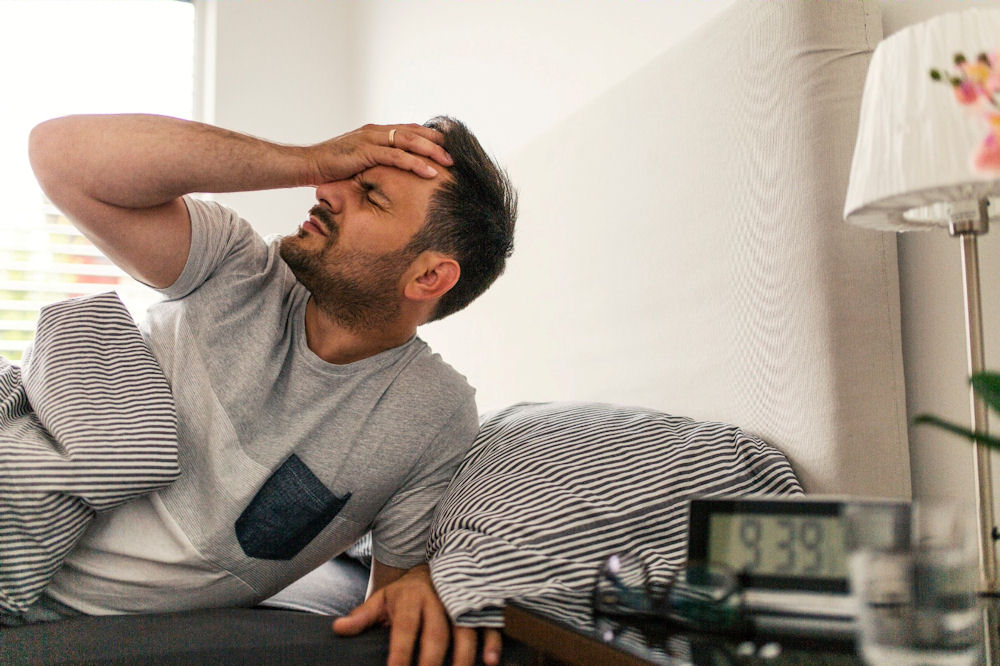
Post-acute withdrawal syndrome (PAWS) is a recovery phase that begins after initial detox. While acute withdrawal typically lasts days or weeks, PAWS symptoms can linger for months or even years. According to the American Addiction Centers, PAWS affects about 90% of individuals recovering from opioid use disorder and roughly 75% of those recovering from alcohol addiction or benzodiazepine addiction.
These symptoms often come and go in waves, periods of improvement followed by sudden emotional or physical setbacks that can feel discouraging. Understanding PAWS is important because it can disrupt daily functioning and increase relapse risk without proper support. Evidence-based therapies such as cognitive-behavioral therapy (CBT) can help individuals manage symptoms and build stability over time.
Professional treatment plays a key role in navigating this stage of recovery. Golden Gate Recovery in Novato, California, located in Marin County, provides structured support during this critical phase.
What Is PAWS?
PAWS refers to ongoing symptoms that persist after initial detox ends. Unlike the intense physical symptoms of early withdrawal, PAWS brings emotional, mental, and sleep problems that come and go throughout recovery. This stage is a normal part of healing for many people.
Healthcare professionals now see PAWS as a normal part of recovery, not a sign that treatment isn’t working. In many cases, the symptoms are part of the brain’s natural healing process. Acute withdrawal is mainly about physical detox, while PAWS is more closely tied to neurological healing.
What Causes Post-Acute Withdrawal Syndrome?
PAWS happens because long-term substance use alters your brain chemistry. Over time, your brain adapts to drugs or alcohol. When you stop using it, it takes time for your brain to relearn how to function normally. This healing process is uneven; symptoms improve, then sometimes come back temporarily.
Alcohol and drugs disrupt systems that regulate dopamine, serotonin, and GABA. These chemicals regulate your mood, motivation, pleasure response, stress levels, and sleep patterns. After prolonged use, your brain has to relearn how to function without the substance. That’s why you might feel emotionally flat, anxious, or mentally foggy even after detox.
Signs and Symptoms of PAWS
PAWS symptoms often come in waves instead of following a steady pattern. You might feel stable for several days, then suddenly experience anxiety, fatigue, or brain fog without warning.
The most common symptoms include impaired thinking, irritability, depression, anxiety, and sleep problems. Not everyone experiences every symptom, and intensity varies from person to person. Common categories include:
Emotional Symptoms: Intense mood swings, deep depression, and heightened anxiety or irritability without clear external triggers.
Physical Symptoms: Chronic fatigue, headaches, muscle tension, and severe sleep disruption.
How Long Does PAWS Last?
PAWS doesn’t follow the same timeline for everyone. According to Recovery Centers of America, symptoms typically persist for six months to two years of sustained abstinence. Some people see symptoms improve within a few months. For others, discomfort can last one to two years.
Recovery often follows a pattern called ‘windows and waves.’ Windows are when symptoms ease. Waves are when they come back or feel more intense. Clinical studies observing severe cases of post-acute withdrawal have noted a cycle of shifting challenges, which often involve increased fatigue, emotional unpredictability, disrupted sleep patterns, and heightened irritability.
PAWS Symptoms by Substance Type
Different substances create different PAWS patterns. While some overlap exists, certain symptoms show up more often with specific substances. Specific symptoms and their intensity depend on how each substance affected your brain chemistry while you were using.
Alcohol withdrawal and recovery can involve anxiety, depression, sleep problems, cravings, irritability, and fatigue. Opioid recovery is often marked by mood swings, insomnia, low motivation, and difficulty concentrating. Benzodiazepine withdrawal may include cognitive fog, muscle pain, tremors, intense anxiety, and panic attacks. Stimulant recovery is commonly associated with depression, fatigue, and poor impulse control.
Managing PAWS Symptoms Effectively
Recovery from PAWS gets easier when you understand what’s happening and get the right support. Treatment that addresses both the physical and psychological sides of PAWS helps your brain heal and makes ongoing challenges less intense.
Professional detox and proven treatments help ease prolonged withdrawal symptoms and lower relapse risk. Staying abstinent allows your brain chemistry to gradually regulate and return to normal.
Evidence-Based Therapy
Therapy gives you tools to understand symptoms, manage cravings, and develop healthier thought patterns during PAWS.
Group therapy connects you with others facing similar challenges, offering support, accountability, and shared experience. These therapies help with the isolation that's common during PAWS and give you practical ways to handle stress, anxiety, and mood changes. Addiction counseling is a cornerstone of effective management.
Lifestyle Changes That Support PAWS Recovery
Daily habits support brain healing and make PAWS symptoms less intense over time. Exercise helps improve your mood, stress tolerance, and sleep quality, especially when you're dealing with fatigue and insomnia. Balanced nutrition supports your brain and body recovery during the months when cognitive function and energy levels are still low.
Good sleep hygiene helps you rest consistently and manage your energy better. Stress management techniques lower the chance of triggering symptom waves, which matters because PAWS makes you more sensitive to stress.
Why PAWS Increases Relapse Risk
PAWS symptoms raise relapse risk because persistent discomfort can make you believe substance use is the only relief. According to FHE Health, the overall incidence of relapse after substance use disorder treatment exceeds 60%. When symptoms return without warning weeks or months into recovery, your brain might see substance use as a solution instead of the original problem.
PAWS symptoms are unpredictable, which makes planning and staying stable difficult. Mood swings, sleep problems, and brain fog can hit suddenly, even after weeks of feeling better. These ups and downs create uncertainty that can wear you down over time.
Cravings and Impulse Control During PAWS
Cognitive problems during PAWS affect your brain’s executive function, making it harder to pause and think through consequences before acting. Trouble with concentration, memory, and decision-making means cravings can quickly turn into action. Brain fog makes it harder to remember why you’re staying sober or use the coping skills you’ve learned when you need them most.
Managing cravings takes practical tools, not just willpower. Calling support contacts, leaving triggering environments, delaying urges through distraction, maintaining regular meal schedules, and following treatment plans provide concrete alternatives when impulse control weakens.
How Golden Gate Recovery Treats PAWS Symptoms
Golden Gate Recovery treats PAWS with a comprehensive approach that combines structure, therapy, peer support, and long-term planning. This approach helps men navigate the emotional and cognitive challenges that continue after detox.
Treatment combines structure, therapy, peer support, and long-term planning to address ongoing emotional and cognitive challenges. Professional detox and evidence-based interventions help mitigate acute and protracted withdrawal symptoms while reducing relapse risk.
Structured Outpatient Programs for Post-Acute Withdrawal
Outpatient care offers ongoing support during PAWS while you rebuild your daily life. Partial hospitalization and intensive outpatient programs help maintain accountability, therapy participation, and consistent monitoring as symptoms rise and fall.
These programs are flexible for men dealing with symptoms that come and go, especially after high stress or triggering situations. Sustained abstinence allows brain chemistry to gradually regulate and return to normal equilibrium.
Individualized Therapy Plans for Long-Term Success
PAWS looks different for everyone, which is why treatment needs to be personalized. Individual and group therapy adjust to your symptom severity, mental health needs, relapse risk, and recovery stage. Programs addressing both substance use and mental health issues simultaneously through dual diagnosis treatment can help individuals manage these challenges effectively.
Treatment plans consider the specific PAWS patterns tied to different substances. Therapy helps men develop coping strategies for the mood swings, brain fog, and stress sensitivity that spike during PAWS.
Supporting PAWS Recovery for Patients and Families
PAWS recovery gets easier when you and your support system understand the extended timeline and how symptoms fluctuate. Learning about the unpredictable pattern of symptoms reduces confusion and frustration during recovery.
Understanding that these ups and downs are normal brain healing, not treatment failure, helps you and your family keep realistic expectations throughout recovery.
Monitoring Symptoms and Maintaining Recovery Routines
Tracking symptom patterns helps you spot triggers, see your progress, and predict when symptom waves might hit. A journal, calendar, or recovery app gives you concrete information about how intense and frequent your symptoms are over time.
Daily routines, consistent sleep, regular meals, hydration, movement, therapy, and social connection help regulate your nervous system and create stability. Medical supervision remains important throughout this process, starting with medical detox.
PAWS Symptoms FAQs
Can PAWS symptoms return after they have improved?
Yes, PAWS symptoms can come back during high stress or major life changes. Stress and triggering situations can bring back symptoms you thought were gone, even after months of staying clean.
Is it normal for PAWS symptoms to fluctuate day to day?
Daily ups and downs in PAWS symptoms follow a pattern called windows and waves, good days alternate with harder ones. This variability is normal; it's your brain chemistry regulating as neurotransmitter systems gradually return to normal.
Should someone inform their employer about PAWS affecting work performance?
Disclosure is a personal choice that depends on your circumstances, workplace culture, and job responsibilities. Some people find that being honest about temporary cognitive or emotional challenges creates a more supportive work environment and lowers stress about performance.
Can physical exercise worsen PAWS symptoms initially?
Light exercise usually supports recovery, but it's important to start slowly and adjust based on your energy, symptoms, and medical guidance. Overdoing it can temporarily make exhaustion or stress sensitivity worse, so talk to your healthcare provider before starting new routines.
Are there specific medications designed to treat PAWS?
No medications are made specifically for PAWS, but providers may prescribe treatment for symptoms like depression, insomnia, or anxiety if needed. Medication management is one part of integrated treatment that addresses both substance use and mental health issues at the same time.
How can someone tell if their symptoms are PAWS or a separate mental health condition?
A professional evaluation is the best way to tell PAWS apart from mental health disorders, since symptoms can overlap and need different treatments. Comprehensive assessment by addiction specialists helps determine whether symptoms represent post-acute withdrawal, pre-existing mental health disorders, or a combination requiring coordinated care.
Begin Your PAWS Recovery Journey at Golden Gate Recovery
PAWS symptoms can last for months or years after detox ends. Golden Gate Recovery in Novato, CA, offers evidence-based, peer-led treatment for men dealing with addiction and mental health challenges. Support covers both early recovery and the extended healing process PAWS requires.
Reaching out is a strong first step toward managing PAWS. With the right care, you can manage PAWS symptoms, lower relapse risk, and build a more stable, sustainable recovery. The admissions team can verify your insurance coverage and help you explore treatment options that fit your needs. Contact us today.
Dr. Araz Tawfique is a board-certified adult psychiatrist based in La Jolla, California, with over ten years of experience treating individuals with diverse needs. Trained in both psychopharmacology and psychotherapy, he draws on psychotherapeutic and psychoanalytic techniques to help patients better understand their thoughts, feelings, and motivations, with a focus on how biology, psychology, and social factors shape individuals and their relationships.